
(Without Ruining It)
Wood furniture is one of those things people love and worry about. They want it to shine—but they don’t want it damaged. And if you’re a cleaner, you’ve probably had that stomach-dropping moment where a beautiful dark wood surface suddenly turns hazy white after using the wrong product.
Let’s talk about how to care for wood the right way—naturally, safely, and without leaving behind anything that’ll stink, stain, or wreck it.
First Rule: Don’t Use Alcohol-Based Sprays on Wood
It might seem harmless—especially on sealed furniture—but alcohol can quickly react with waxed or oiled wood finishes.
Here’s what happens:
- Alcohol evaporates fast, which dries out the wood finish.
- If there’s any wax or oil layer on the surface, alcohol can cause it to absorb moisture, leaving behind white haze or spots.
- These spots usually fade with time—but if a homeowner walks in before that, you’ve got some explaining to do.

🛠 If this happens: Rub the area lightly with a clean cloth and a little natural oil (we’ll get to which kind below) to rehydrate and calm the finish. Avoid water.
How to Polish Wood with Oil (Key Steps)
Step-by-Step Application
1. Wipe Down the Surface
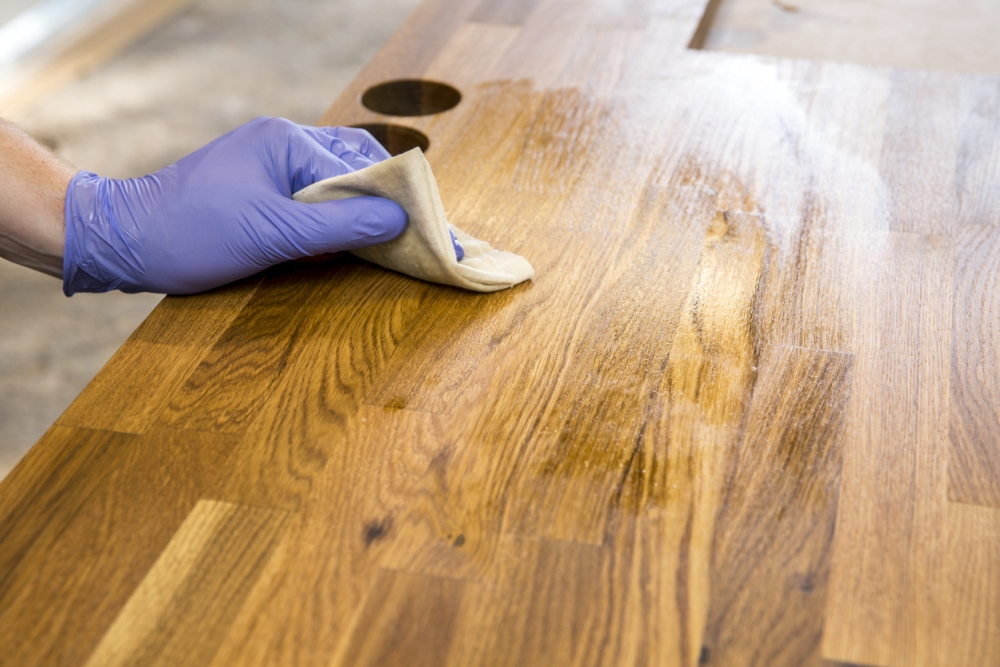
Use a slightly damp microfiber cloth to remove dust, crumbs, or fingerprints. Let it dry completely before applying oil.
2. Apply Oil or Conditioner
Use a lint-free cloth to apply a small amount of wood oil or polish (like mineral oil, mineral oil, or a furniture conditioner).
Rub in thin, even strokes along the grain—you don’t need much. Focus on dry or dull areas.
3. Let It Sit (Briefly)
Let the oil soak in for 5–10 minutes while you tackle another nearby task. No need to wait a full hour unless the wood is extremely dry.
4. Wipe Away Excess
Use a clean dry cloth to buff off any leftover oil. This helps prevent greasy buildup and gives the wood a soft, natural finish.
5. Buff for Shine
Lightly polish the surface with a dry microfiber towel. A quick back-and-forth motion brings out the wood’s glow without leaving streaks.
⚠️ Caution & Tips
Avoid silicone-based polishes: These can build up residue and interfere with future refinishing.
Dispose rags carefully: Oiled rags (especially with linseed or tung oil) can self-heat and cause fires. Lay them flat to dry or soak them in water before discarding.
Test first: Always try on a hidden spot to ensure compatibility with the finish or wood type.
Which Oils Are Safe to Use on Wood?
Here’s the deal: not all oils are created equal. Some will nourish the wood. Some will leave it greasy. Some will rot right on the surface.
✅ Good Oils for Polishing Wood:
- Mineral oil (food-grade): Won’t go rancid. Safe for cutting boards and furniture. Can be used alone or mixed with beeswax.
- Walnut oil: A natural drying oil, meaning it hardens slightly after exposure to air. Nourishes wood and adds light shine.
- Jojoba oil: Actually a liquid wax. Very shelf-stable and unlikely to go rancid.
- Coconut oil (fractionated is best): Doesn’t go rancid easily, though a bit more prone to build-up if overused.
❌ Oils to Avoid:
- Olive oil: Goes rancid over time. Might look nice at first, but can get sticky or smelly in warm, humid conditions.
- Vegetable oils: Same issue. Save them for cooking.
What About CitraSolv?
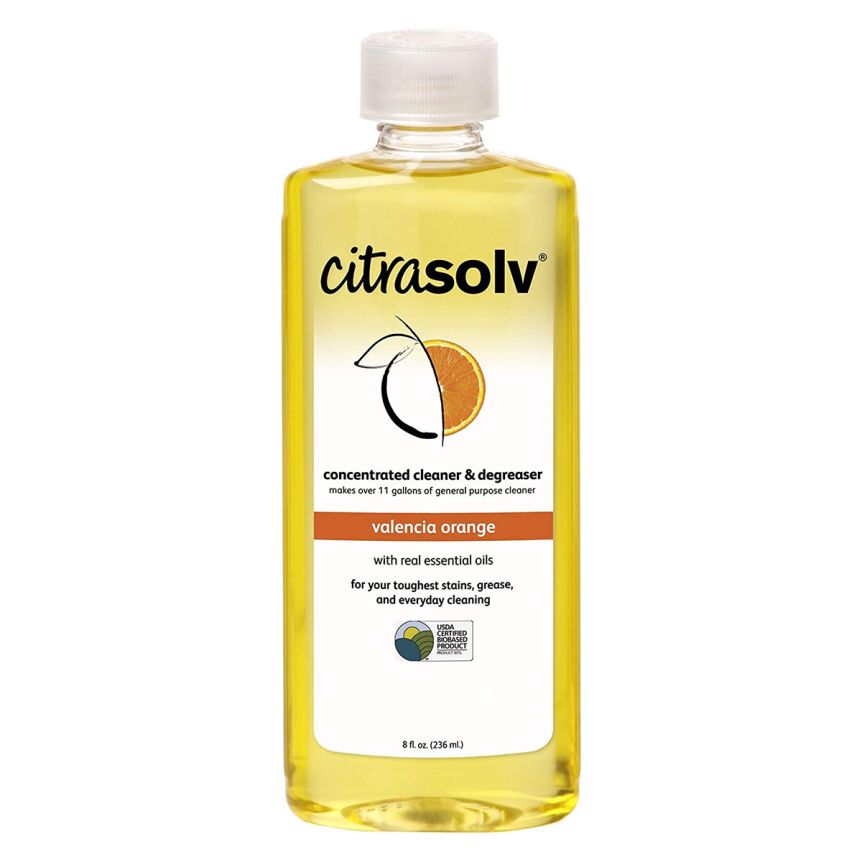
You’re not imagining it—CitraSolv works great on wood, especially for dusting and polishing. That’s because it uses limonene, a natural solvent from orange peels, which cuts through grease and leaves a subtle shine.
But here’s the catch:
- Straight limonene is hard to find, and very concentrated—too strong on its own for delicate wood.
- CitraSolv balances it with surfactants and water to make it safe for surfaces.
🧼 If you use CitraSolv:
- Dilute it according to the label when dusting.
- Don’t over-spray—just a light mist on a cloth, never directly on wood.
- Wipe dry to avoid residue.
Bonus: Clients love the orange smell. Makes a home feel clean and fresh.
Natural Alternatives to CitraSolv for Dusting & Polishing
If you’re running low on CitraSolv or want to DIY a safe alternative, try these:
🌿 DIY Natural Dusting Spray:
- 1 cup distilled water
- 1 tbsp Castile soap
- 10 drops lemon or orange essential oil
- Optional: 1 tsp white vinegar (skip this if you’re cleaning waxed wood!)
Use: Spray lightly onto a microfiber cloth, not the furniture. Wipe gently and follow with a dry cloth if needed.
🪵 DIY Wood Polish:
- 1/4 cup food-grade mineral oil or jojoba oil
- 1 tbsp beeswax (melted)
- Optional: a few drops of lemon essential oil for scent
Use: Rub a small amount into clean, dry wood. Buff with a soft cloth.
When to Avoid Waxing Wood (and When It’s Okay)
In general, wax isn’t necessary for everyday cleaning and can build up over time.
❌ Avoid waxing:
- Dining tables or desks where people touch, eat, or write—wax can get sticky or cloudy.
- Floors in homes with pets (wax makes it slippery and tough to touch up in spots).
✅ Wax can make sense:
- High-traffic public spaces like museums, libraries, or lobbies with wood floors. It adds protection and shine when buffed regularly.
- Antique furniture with real wood grain that needs conditioning (just not too often).
🧽 Use sparingly. Think of it like makeup for wood: great when applied well, but a mess if you pile it on too thick.

Final Tips for Natural Wood Care
- Microfiber only for dusting—avoid paper towels, which can scratch.
- Always test a small spot when using a new product or oil.
- Never clean wood with hot water or let moisture sit.
- Rotate decor or objects (like lamps and vases) to prevent rings or uneven fading.
Bottom Line
Natural wood is beautiful—but it takes the right kind of care to keep it that way. Avoid alcohol, use the right oils, and when in doubt, less is more.
If you’re cleaning professionally, your clients will appreciate how you protect their wood—not just make it look shiny for a day. That kind of care builds trust and repeat business.
Want More Real-World Cleaning Strategies That Work?
My $100K Cleaning Business Course teaches you how to clean with confidence, handle any surface like a pro, and build a business that grows on referrals and results.👉 Click here to learn more and get started today
 Clean4Profit
Leave a comment