
If you’re still using bleach to clean tile or disinfect surfaces, I get it. Bleach seems like the heavy-duty stuff. The smell alone makes you think it’s doing something important. But let’s talk about what bleach is actually doing—to your body, to the surfaces you’re cleaning, and to the environment.
Why Bleach Is a Problem
Bleach (sodium hypochlorite) is a harsh chemical that can react with other household products to create toxic gases. That sharp smell? It’s not just unpleasant. It’s an irritant to your lungs, skin, and eyes. Over time, especially with repeated exposure (think: weekly cleaning jobs), it can contribute to chronic respiratory issues. And if you’ve ever gotten it on your clothes, you know it doesn’t care what it destroys.
Then there’s the environmental impact. When bleach rinses down your drains, it doesn’t just disappear. It can form dioxins and organochlorines—both of which stick around in the environment and build up in the food chain. Fish, birds, even breast milk can carry traces. These chemicals don’t break down easily and are linked to hormone disruption, immune system damage, and cancer.
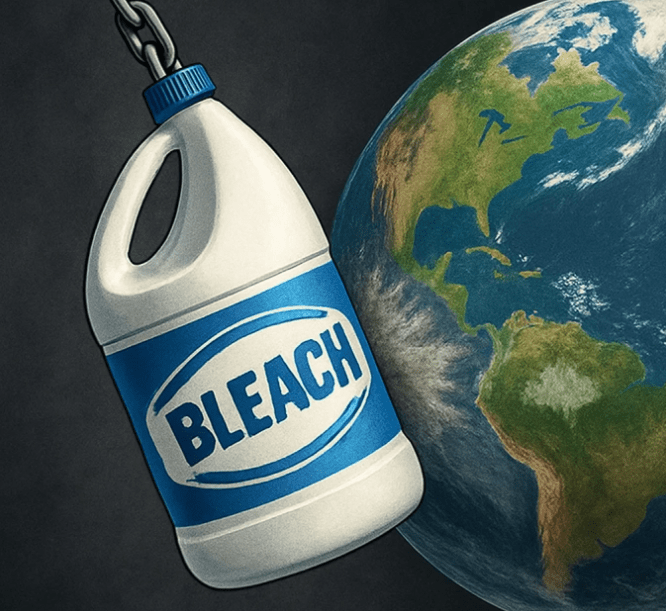
So yeah. Bleach works—but it works like a wrecking ball.
Why I Switched to Hydrogen Peroxide
Hydrogen peroxide is what bleach wishes it could be: effective, affordable, and not wrecking the planet every time you rinse it down the drain. When hydrogen peroxide breaks down, it turns into oxygen and water. That’s it. No mystery chemicals. No toxins floating into the ecosystem.
But here’s something most people don’t know:
Hydrogen peroxide is also a bleach.
Yep. The same chemical process that lifts color from your hair is the one that whitens grout, brightens tile, and disinfects hard surfaces. But if you’re using the regular 3% hydrogen peroxide you get at the drugstore, you probably won’t see dramatic whitening results. It disinfects fine. It cleans decently. But it won’t blow your mind.
Go Stronger: What Actually Works
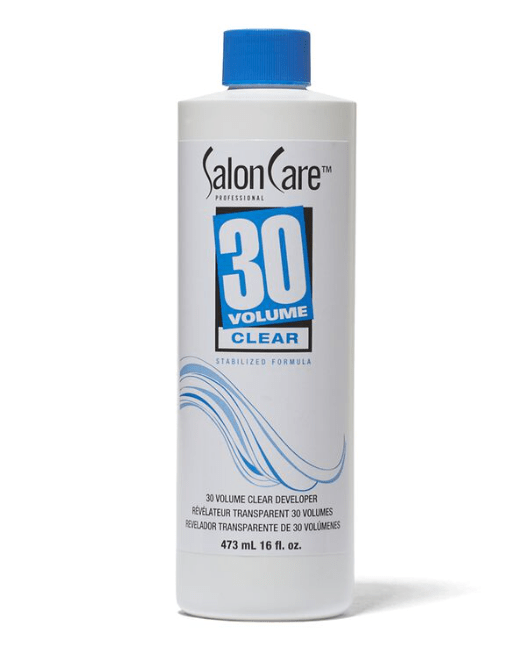
For serious whitening, I use 9% hydrogen peroxide—the same stuff used in hair salons for lifting color. You can pick it up at Sally Beauty Supply in the hair dye section. Just look for the big bottle labeled “30 volume clear developer.” That’s 9% hydrogen peroxide.
How I use it for grout:
- Put on PPE (gloves, mask if you’re spraying it, maybe some goggles if you’re going hard).
- Shake a thin layer of baking soda over the grout lines.
- Spray the 9% peroxide over the top. It’ll bubble like crazy.
- Let it sit. Give it time to eat away the stains.
- Scrub with a stiff bathtub scrubber or grout brush.
- Repeat if needed.

It is not fast. I’m talking hours if you’re doing a full kitchen or bathroom floor. This is not a side job you squeeze in between two others. This is a full-on “I’m restoring your grout to its original glory” kind of gig. But people love it. Once they see how white and fresh their tile looks again, they’re willing to pay—because it’s something they can’t (or won’t) do themselves.
It also works wonders on bathroom tile, shower walls, or anywhere with stained grout. If you clean houses professionally, this is a great upsell. Just be honest about how long it takes and charge accordingly.
Other Smart Uses for Hydrogen Peroxide
Hydrogen peroxide isn’t just for grout. It’s one of those rare products that’s good for both people and homes.
Here are some other ways I use it:
- Whiten clothes naturally: Add a cup of 3% hydrogen peroxide to a load of whites instead of bleach. It brightens fabric without eating holes in it over time.
- Spot-treat laundry stains: Spray 3–9% on armpit stains, blood, wine, or mystery grime before washing.
- Sanitize cutting boards and countertops: Spray it on surfaces after raw meat or fish prep. Just let it sit and dry—no rinse needed.
- Disinfect toothbrushes or retainers: Soak them in 3% for 15 minutes, then rinse.
- Bleach hair (safely): If you’re already using it on tile, you know it works. 9% is standard for lightening hair—but don’t use it straight. Mix with color or toner, follow real haircare instructions.
- Wound care: 3% is great for cleaning small cuts and scrapes. Just don’t use it over and over on the same wound—it can also slow healing if overused.
Final Thoughts
Bleach has had a long run, but it’s honestly outdated. It’s bad for the planet, bad for your lungs, and unnecessary for 99% of what you’re trying to do. Hydrogen peroxide is just as effective—and if you use the stronger stuff, it can outperform bleach in ways you can see.
If you’re in the cleaning business, especially residential, learning how to use hydrogen peroxide properly can help you stand out. You’re not just cleaning—you’re restoring. That sells.
And it doesn’t hurt that you’re doing it without wrecking your clothes, your lungs, or your conscience.
 Clean4Profit
Leave a comment