
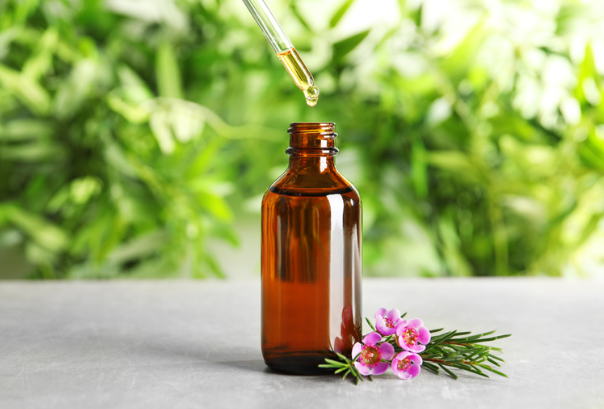
If there’s one bottle you should have in your cleaning kit that smells like a spa but works like bleach, it’s tea tree oil. Long used in natural medicine, this little oil packs serious punch when it comes to killing germs, fighting mold, and freshening up your space—without harsh chemicals.
What Is Tea Tree Oil?
Tea tree oil (also called melaleuca oil) comes from the leaves of the Australian tea tree. Indigenous Australians have used it for centuries to treat wounds, infections, and skin conditions.
In modern cleaning, it’s known for being:
- Antibacterial
- Antifungal
- Antiviral
- Anti-mold/mildew
…basically, it shows up to handle business.
How It Works (Yes, It’s Real Science)
Tea tree oil contains compounds like terpinen-4-ol that damage the cell walls of bacteria and fungi—causing them to die off.
It’s been shown in lab tests to kill everything from E. coli to staph to mold spores, and even certain viruses on surfaces.
It doesn’t bleach or burn like chemical cleaners—but it does disinfect and linger longer with continued use.
How to Use Tea Tree Oil for Cleaning
Basic Disinfectant Spray:
- 2 cups water
- 1/2 cup white vinegar
- 20–30 drops of tea tree oil
Put it in a spray bottle. Shake before use.
Mold/Mildew Spot Cleaner:
- Mix 1 tsp tea tree oil with 1 cup water.
- Spray on affected areas (bathroom tile, windowsills, baseboards).
- Let sit—no need to rinse unless it’s a food surface.
Laundry Boost:
- Add a few drops to your wash when cleaning musty towels, cloths, or pet bedding.
Toilet Cleaner:
- Add 10 drops to the bowl with vinegar or baking soda. Let sit before scrubbing.
Where to Buy It
- Health stores
- Grocery stores (near essential oils or natural products)
- Online
Look for 100% pure tea tree essential oil—no added fragrance or filler.
Precautions
- Do not ingest. Tea tree oil is toxic if swallowed.
- Use gloves if you have sensitive skin—it can be an irritant.
- Always spot test before using on new surfaces.
- Keep away from pets while wet—it’s especially toxic to cats.
Should You Offer Tea Tree Oil Cleaning to Clients?
Maybe.
- It’s a great option for eco-conscious clients or those with chemical sensitivities.
- It works well in bathrooms, kitchens, laundry, and general surface sprays.
- Be sure to disclose the scent—it’s strong, earthy, and not everyone loves it.
Always ask first before using essential oils in a client’s home.
Final Word

Tea tree oil is one of the most effective natural cleaners out there—small bottle, big results. It’s not a replacement for every job (don’t ditch your degreaser), but it’s a powerful addition to your deep cleaning toolkit—especially when you want clean air, safe surfaces, and zero toxins.
Knowing when (and when not) to use things like tea tree oil is one small way pros stand out—but getting paid like a pro comes from a few key steps behind the scenes.
Our free PDF shows you how to set yourself up to charge professional rates—and take home the full check yourself.
No fluff. No guessing. Just a few simple steps to start standing out as a professional cleaner.
Leave a Reply